Get Residential Roof Replacement
Residential roof replacement services help property owners address damaged, aging, or leaking roofs through projects involving new roofing materials and installation by trusted local contractors.
If you’re considering a residential roof replacement, you’re in the right place to start exploring your options. Property owners in the area often look into roof replacement to improve the safety, durability, and appearance of their homes. Whether your roof has experienced wear over time, weather-related damage, or you’re simply planning ahead, understanding the benefits of a new roof can help inform your project. This page provides guidance on how to compare local service providers and find the right professionals to handle your roof replacement needs.
Finding the right local contractors for a residential roof replacement involves evaluating experience, reputation, and the services they offer. Property owners are encouraged to review their options carefully, considering factors that ensure quality workmanship and reliable results. Keep reading to learn more about how to plan your roof replacement project effectively and connect with trusted service providers in the area who can assist with your home's needs.
- Complete residential roof replacement - needed when a roof has extensive damage or aging that cannot be repaired effectively.
- Shingle roof replacement - appropriate for homeowners seeking to upgrade or replace worn or damaged shingle roofing systems.
- Asphalt roof replacement - suitable when asphalt roofing materials have reached the end of their lifespan or are severely deteriorated.
- Tile or slate roof replacement - required for historic homes or properties with tile or slate roofing that needs to be restored or replaced.
- Emergency roof replacement - necessary after severe weather events or accidents cause significant roof damage requiring prompt service.
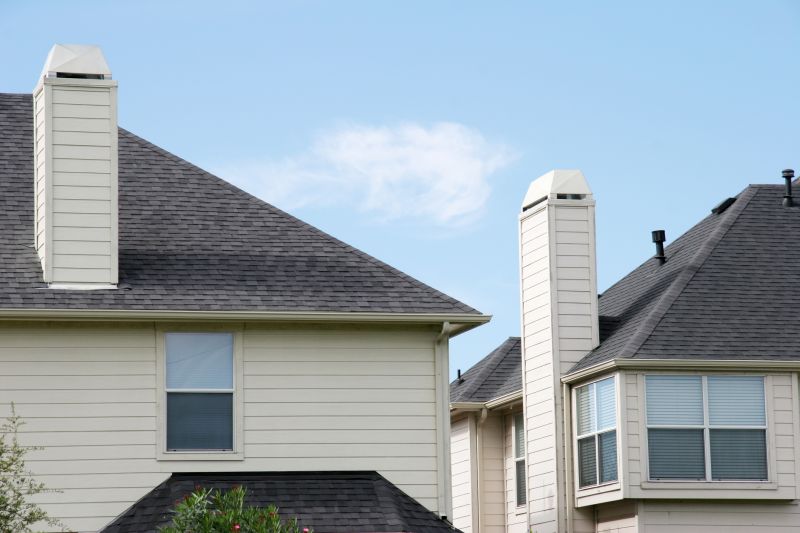
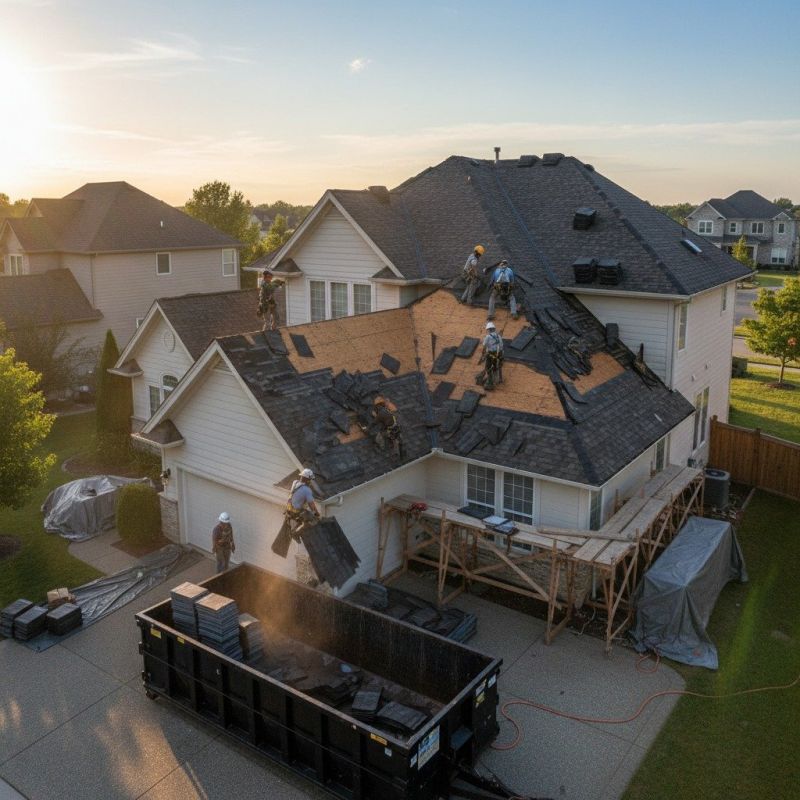
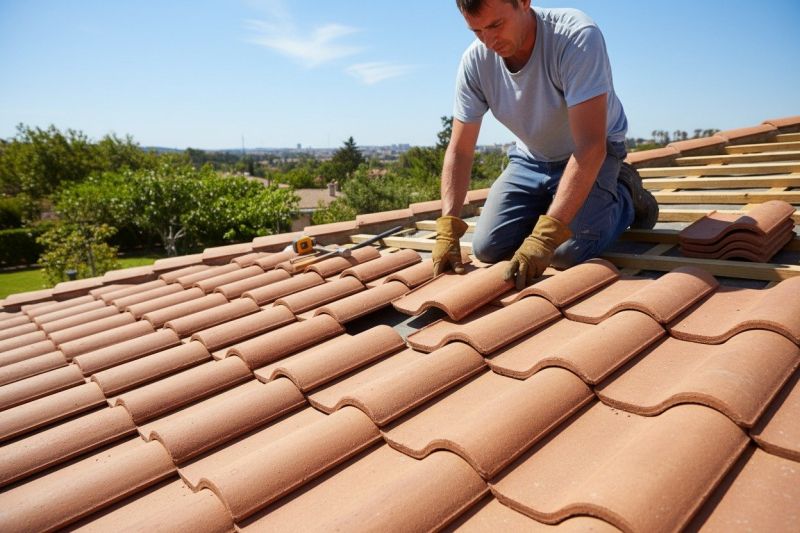
Residential roof replacement services involve removing an existing roof and installing a new one to ensure the home remains protected from the elements. This process typically includes inspecting the current roof, removing damaged or aging materials, and carefully installing new shingles, tiles, or other roofing components. The goal is to restore the roof’s integrity, improve curb appeal, and provide long-lasting protection for the home’s interior and belongings.
These services help solve a variety of problems that can compromise a roof’s effectiveness. Common issues include extensive damage from severe weather, persistent leaks, widespread shingle or tile deterioration, and structural concerns caused by age or wear. Replacing a roof can prevent further damage to the underlying structure, reduce the risk of costly repairs, and improve energy efficiency by ensuring proper insulation and ventilation.
Residential properties that typically use roof replacement services include single-family homes, multi-family dwellings, and small apartment complexes. Homes with aging roofs that show signs of curling, missing shingles, or water stains often benefit from a replacement. Additionally, properties that have experienced storm damage or have outdated roofing materials may require a full replacement to meet current standards and ensure long-term durability.
Homeowners should consider roof replacement when their existing roof no longer provides adequate protection, shows visible signs of damage, or has reached the end of its expected lifespan. Service providers can assess the condition of a roof and recommend the best course of action, whether it’s repair or full replacement. Contacting local contractors can help find experienced professionals who can handle the job efficiently and effectively, ensuring the home remains safe and secure for years to come.
The overview below groups typical Residential Roof Replacement projects into broad ranges so you can see how smaller, mid-sized, and larger jobs often compare in your area.
In many markets, a large share of routine jobs stays in the lower and middle ranges, while only a smaller percentage of projects moves into the highest bands when the work is more complex or site conditions are harder than average.
Smaller Repairs - minor roof repairs typically cost between $250 and $600, covering small areas or simple fixes. Many routine repairs fall within this range, especially for minor damages or leaks. Larger or more complex repairs can exceed this range but are less common.
Partial Roof Replacement - replacing a section of a roof usually costs between $1,500 and $3,500 depending on the size and materials. Most projects in this category fall into the middle of this range, with larger homes or premium materials pushing costs higher.
Full Roof Replacement - full replacement projects generally range from $5,000 to $15,000, influenced by roof size, materials, and complexity. Many homeowners see costs in the middle of this spectrum, while very large or intricate roofs can reach higher prices.
High-End or Complex Projects - larger, more elaborate roof replacements with premium materials can cost $20,000 or more. These projects are less common and often involve custom features or challenging architectural designs, leading to higher expenses.
Actual totals will depend on details like access to the work area, the scope of the project, and the materials selected, so use these as general starting points rather than exact figures.
Attic Insulation Installation - This project involves planning and installing insulation in attics, requiring similar skills in assessment, material handling, and precise execution as roof replacement jobs.
Gutter System Replacement - Replacing gutters involves working on roof edges and requires understanding of roof structures, tools, and planning comparable to residential roof upgrades.
Skylight Installation - Installing skylights demands precise cutting, sealing, and planning within roof structures, aligning closely with the skills used in roof replacement services.
Roof Leak Repair - Repairing roof leaks involves diagnosing issues, planning repairs, and working with roofing materials, sharing techniques and tools common to full roof replacements.
Chimney Flashing Replacement - This project requires working around roof penetrations, sealing, and planning, similar to the skills used in replacing or upgrading residential roofing systems.
Siding Installation - Installing siding involves planning, material handling, and working with exterior structures, which complements the skills needed for comprehensive roof replacement projects.
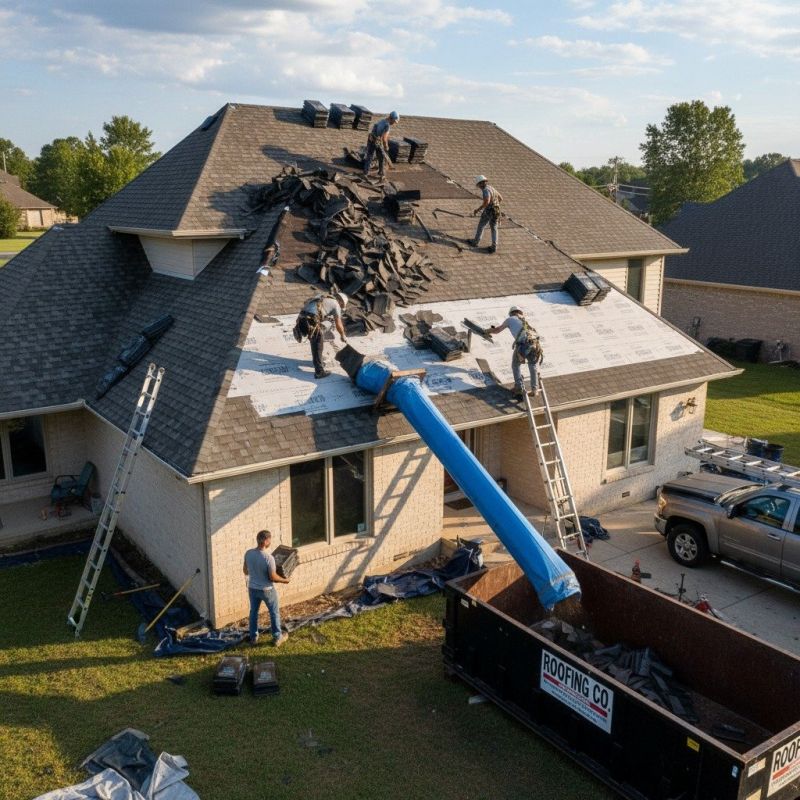
When comparing local contractors for residential roof replacement, it’s important to evaluate their experience with similar projects. Homeowners should look for service providers who have a proven track record of handling roof replacements comparable in size, style, or material to the one needed. An experienced contractor is more likely to understand the nuances of different roofing systems and can anticipate potential challenges, helping to ensure the project proceeds smoothly and meets expectations.
Clear, written expectations are essential when selecting a roofing contractor. Homeowners should seek service providers who can provide detailed proposals outlining the scope of work, materials to be used, and the projected process. Having this information in writing helps prevent misunderstandings and provides a reference point throughout the project. It also allows homeowners to compare different options more effectively and make informed decisions based on the specifics of each proposal.
Reputable references and effective communication are key indicators of a trustworthy local contractor. Homeowners are encouraged to ask for references from previous clients who have had similar projects completed. Speaking with past customers can reveal insights into the contractor’s reliability, quality of work, and professionalism. Additionally, choosing service providers who communicate clearly and promptly helps ensure that questions are answered and concerns addressed throughout the project, leading to a more positive experience from start to finish.
Property owners use Residential Roof Replacement services for practical projects around their homes and businesses. This guide focuses on everyday jobs and straightforward project options.
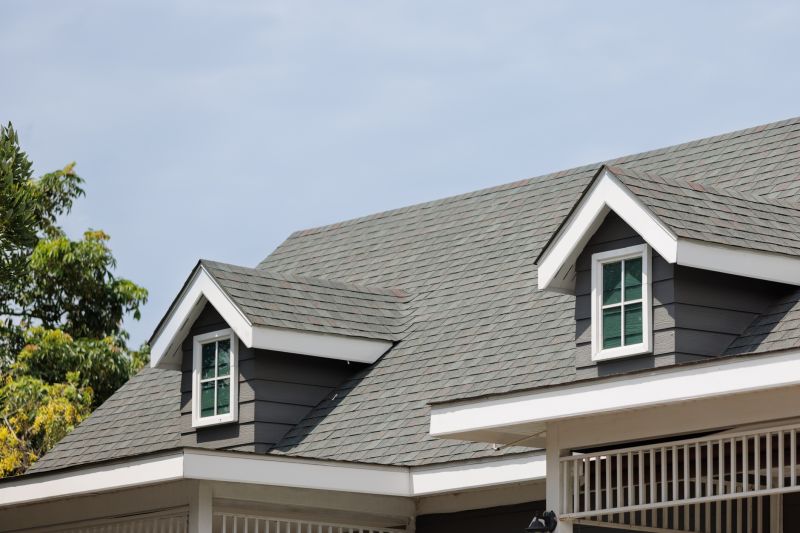
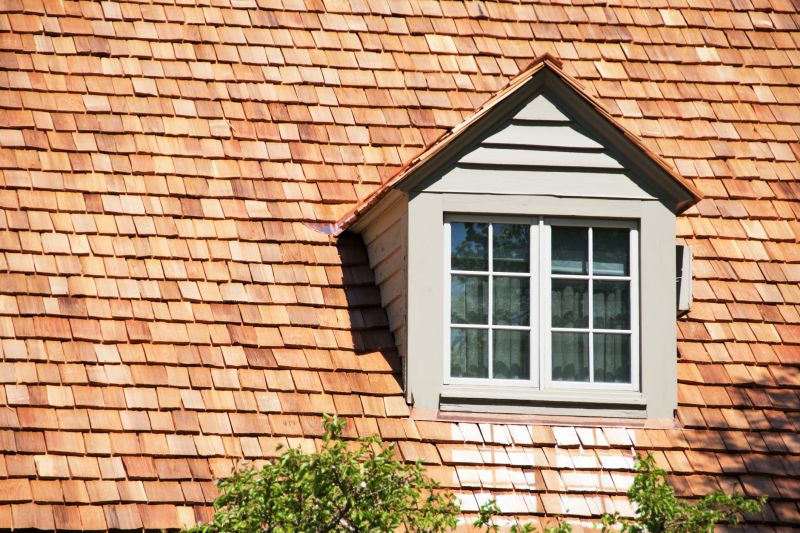
Residential roof replacement is often needed when property owners notice signs of aging or damage, such as leaks, missing shingles, or significant wear after harsh weather conditions. Local contractors are experienced in assessing these issues and providing solutions that restore the integrity and appearance of a home’s roof. Homeowners may also seek roof replacement when planning renovations or upgrades to improve curb appeal and increase property value.
Many property owners in the area turn to local service providers for roof replacement due to ongoing maintenance concerns or the desire to prevent future problems. Weather events like storms or heavy snowfall can accelerate roof deterioration, prompting the need for a complete replacement. Local pros offer the expertise to handle these projects efficiently, helping homeowners protect their investments and maintain a safe, secure living environment.
What signs indicate a roof may need replacement? Indicators include missing or damaged shingles, persistent leaks, and visible wear or aging on the roof surface.
How do local contractors handle residential roof replacements? They typically assess the roof’s condition, remove the old roofing materials, and install new, durable roofing systems suited to the home’s needs.
Are there different types of roofing materials used in replacements? Yes, options often include asphalt shingles, metal roofing, tile, and other materials, depending on the homeowner’s preferences and the local climate.
What should homeowners consider when choosing a contractor for roof replacement? It’s important to review their experience, reputation, and the quality of materials they use, ensuring they are experienced in residential roof replacements.
Can a roof replacement improve the home's energy efficiency? In some cases, upgrading to modern roofing materials and proper insulation can enhance energy efficiency, though specific benefits depend on the materials chosen and installation quality.
Roof Replacement Planning - Property owners can explore options for replacing an aging or damaged roof to improve home safety and curb appeal.
Storm Damage Recovery - After severe weather, homeowners can seek local contractors to assess and replace roofs affected by hail, wind, or heavy rain.
Home Improvement Projects - Those upgrading their homes can consider a roof replacement as part of a broader renovation to enhance energy efficiency and appearance.
Property Maintenance - Owners can use this service to maintain the integrity of their property by ensuring their roof is in good condition and up to current standards.
If you are thinking about Residential Roof Replacement for a property, this guide is meant to help you understand the work, the typical project types, and how different options might fit your plans.
When you are ready, you can use the quote form on this page to share a few details about your project. From there, local pros can review the basics and respond with options that match what you have in mind.